Black paint is honest. It shows everything, good and bad. The gloss can be piano deep when the surface is perfect, then one quick wash with the wrong towel and you’re left with a galaxy of swirls and holograms under the sun. If you work on black cars long enough, you learn that restraint and process beat speed and pressure. The goal is clarity, not just shine.
What causes swirls and holograms
Swirls are clusters of fine scratches caused by friction from dirty wash media, rough towels, dusty polishing pads, or aggressive contact in general. Holograms are a different animal, usually introduced during machine polishing. They appear as ghostly, three-dimensional striping when you look at the paint from different angles under strong light. They’re the signature of an unrefined rotary pass, a pad that is too firm for the paint, or a compound and technique that cut quickly but didn’t finish properly.
Black paint highlights both issues because it lacks metallic flake to camouflage micro-marring. The clear coat is the same thickness as any other color on the same model, but the contrast between scratch and base color is higher on black. On many German and Japanese paints, hardness varies by manufacturer and even by model year. Harder clears can resist some marring yet need more aggressive abrasives to correct, which then demand a tidy refining process. Softer clears correct easily but mar if you breathe on them wrong, demanding gentler touches at every stage. Knowing which category you’re dealing with dictates tool, pad, and product choice.
The wash that sets up the finish
Most swirls are created before a machine even touches the car. Exterior detailing should start with a wash that removes grit without dragging it across the paint. Pre-rinse thoroughly. A foam pre-soak helps; it softens and encapsulates light contamination, but it is not a magic eraser. Use the two-bucket method with grit guards, a high-lubricity shampoo, and a quality mitt that you rinse out often. Work top to bottom, inspecting the mitt after each panel. If your rinse bucket turns to mud, you’re pushing dirt around.
Toweling is where many black cars lose the fight. Blot and glide rather than grind. Use large, clean, plush towels with bound edges or edgeless designs, and do not let them touch the floor. One towel for the upper panels, another for lower. If you drive in dusty farm roads around Carpinteria or coastal mist in Montecito, you’ll collect contaminants quickly. A quick detailer can add lubrication during drying, but keep in mind that most “quick detail” sprays are not meant to lift heavy dust. If there is more than a film, rewash.
Clay bars and synthetic clay media are useful before paint correction, yet they can mar black paint if used dry or with a thin lubricant. Keep the surface slick and let the clay glide with minimal pressure. If the car is heavily contaminated, consider a chemical decon first: iron remover for ferrous fallout, then a gentle citrus or tar remover on the lower panels before any mechanical claying.
The inspection that prevents rework
A swirl-free result comes from decisions made under proper light. Sunlight is unforgiving, but you cannot rely on it alone. Use multiple light sources: a color-correct LED handheld to spot individual defects, a bright overhead to judge uniformity, and low-angle lighting to reveal holograms. Analyze panel by panel. Put a gauge on the paint where possible. Many modern cars measure 100 to 160 microns total, with the clear coat being a fraction. If you read 80 microns overall, you’re on notice. If you’re working on a repainted panel, you might see 200-plus microns and dramatically different hardness. Those readings guide how aggressive you can be during paint correction.
Compounding without carving
Aggressive compounds and stiff pads remove defects fast, they also etch micro-trails that black paint exposes. You can cut with a dual-action polisher and a microfiber cutting pad to reduce the risk of rotary trails, but the microfiber can leave haze that needs a finishing step. When a rotary is appropriate, run it at responsible speeds, keep the pad flat, and avoid too much pressure on edges and body lines. Work your section slowly, overlap passes by about one-third, and stop when the defect is gone rather than chasing absolute perfection into thin clear.
On harder clears, a diminishing abrasive compound can finish better if allowed to work long enough. On softer clears, switch to a less aggressive liquid sooner to avoid embossing the paint with the pad’s pattern. Change pads often. Heat and spent abrasive dust turn any pad into sandpaper. Wash or blow out the pad after every couple of sections.
Finishing to avoid holograms
Finishing is where black paint earns its reputation. The aim is absolute uniformity in the micro-scratch pattern. That requires a stable pad, a balanced machine, and a polish that stays wet long enough to burnish rather than scour. Finishing foam at low machine speed with progressive pressure release works across most systems. Reduce pressure near the end of a set, extend your cycle a bit, then do a final light pass with only the weight of the machine. If you see faint ticks under a scan light, you are not done.
Pad priming can make or break the final finish. With microfiber, prime the whole face to avoid micro-trails. With foam, add just enough product to prevent dry hopping, but not so much that the pad hydroplanes. Keep your work area small. On a hot day in Goleta or Summerland, polishes flash quickly. Shorter sections and a little extra product keep the abrasives moving. If your finish looks blotchy after wipe-down, consider that some “finishing polishes” contain fillers. There is nothing wrong with them, but know whether you are masking or truly correcting. Use a gentle panel wipe if you need to verify.
Protecting the work so it stays swirl-free
Protection does not eliminate the need for careful washing, but it buys margin. A robust ceramic coating creates a harder, slicker sacrificial layer that resists light marring and makes maintenance easier. On black paint, that slickness translates to less drag during washing and drying. Some coatings skew toward hardness and chemical resistance, others prioritize slickness and self-cleaning. Pick based on the owner’s environment and maintenance habits. If you live near Hope Ranch with tree sap and bird traffic, prioritize chemical resistance. If you want easy maintenance in Montecito with frequent hand washes, favor slickness.
Waxes and sealants still have a place, especially when you want a warm look and are fine with reapplication every few months. Many detailers layer a sealant under a wax on black paint for richer tone. If you coat, allow proper cure times and avoid water spots during the first 12 to 24 hours.
Where washing technique makes or breaks black
You can maintain a swirl-free finish with careful habits. A few principles matter more than any product label.
- Pre-rinse longer than you think, especially around badges and seams. Use clean media only, retire towels and mitts often. Keep wash solutions fresh; hard water spots are real on black. Dry with air where possible to reduce towel contact. Treat bird droppings and sap immediately with a safe remover.
If you have to remove dust between washes, use a dedicated rinseless wash with plush towels rather than a dry duster. Gentle, frequent maintenance beats aggressive, infrequent cleaning.

Paint correction realities on black vehicles
Not every scratch needs to disappear. Chasing deep defects can cost too much clear coat. On daily-driven black cars with highway mileage, odds are you will see clusters of random isolated deep scratches that break through the clear. Blend them gently, improve them, and move on. Around door handles, the edges are thin; safer to refine than to cut heavily. For repainted panels, especially those without a baked clear, surface temperature control is essential. Heat softens the clear and invites holograms if you push the pad.
Some paints are notorious. Jet Black on certain BMWs can be soft and sticky, responding strangely to temperature and pad density. Toyota and Lexus blacks can be on the softer side, while Audi blacks can be harder. On boats, black gelcoat is another story entirely, thicker and more heat tolerant than automotive clear but capable of chalking and oxidizing quickly in marine environments. Marine detailing uses different abrasives and machines, and it is easy to transfer those habits to cars where they do not belong. Respect the differences.
A method that scales from one car to a full schedule
Hugo's Auto Detailing built its exterior detailing process around black cars because that is where technique is most obvious. The team found that a staged approach trims rework: decontam, single test section, then scale. Start with the most gentle combo that delivers 80 to 90 percent improvement on the test area. Step up only if necessary, and log what worked. In coastal areas like Carpinteria and Summerland, salt mist and fine grit settle on paint. Their technicians extend the pre-rinse, use a pre-soak with higher dilution, and switch to a fresh wash mitt halfway through the wash. On a black Cayenne from Hope Ranch, that simple change stopped the light wash marring they saw during the first visit.
How Hugo's Auto Detailing dials in a black paint correction
The shop approach begins with lighting and measurements. If panels read healthy, they will test a microfiber cutting pad with a mid-cut compound on a dual-action polisher for a controlled first hit. If haze appears, they drop to a foam cutting pad and a less aggressive compound, accepting slower progress for a calmer finish. For finishing, they usually move to a fine foam pad and a long-working polish, extending cycle time and releasing pressure in the final passes. Wipe-downs are minimal and padded with plush towels dampened with distilled water to avoid abrading the now refined clear.
On a gloss black 911 that came in from Montecito with rotary trails from a previous “paint correction,” they corrected the paint in two stages. First, a careful cut with a dual-action and microfiber to level the bulk of the defects without reintroducing holograms. Second, a patient refinement with a soft foam pad and a low-dusting finishing polish. The difference under a handheld LED was the absence of that characteristic zebra striping. The owner reported the finish stayed clean longer, not because the color changed, but because the surface was finally smooth enough to shed dust rather than trap it.
Interior detailing touches that protect the exterior
It sounds counterintuitive, but interior detailing habits affect exterior outcomes on black cars. When an interior tech cracks the door and leans a vacuum hose over the sill, a plastic cuff can mark the finish. Training and workflow prevent these small touches that add up. Keep hoses sleeved, drape microfiber over contact points, and stage carts in a way that prevents a swerve into the paint. Every contact is a risk, so plan the job to minimize passes around the vehicle.
When coatings and films help
A ceramic coating reduces the friction coefficient of the surface, making it harder to mar during a wash. For black cars that live outdoors or are washed frequently, a high-quality coating provides real value. In marine environments near Goleta or Summerland, Boat ceramic coating on a black hull combats oxidation and makes it easier to rinse off salt film. Gelcoat behaves differently than automotive clear, so marine detailing products are formulated to bite more into oxidation and resist harsher water conditions. Do not cross-use compounds intended for boats on car paint unless you absolutely know the chemistry and have tested it.
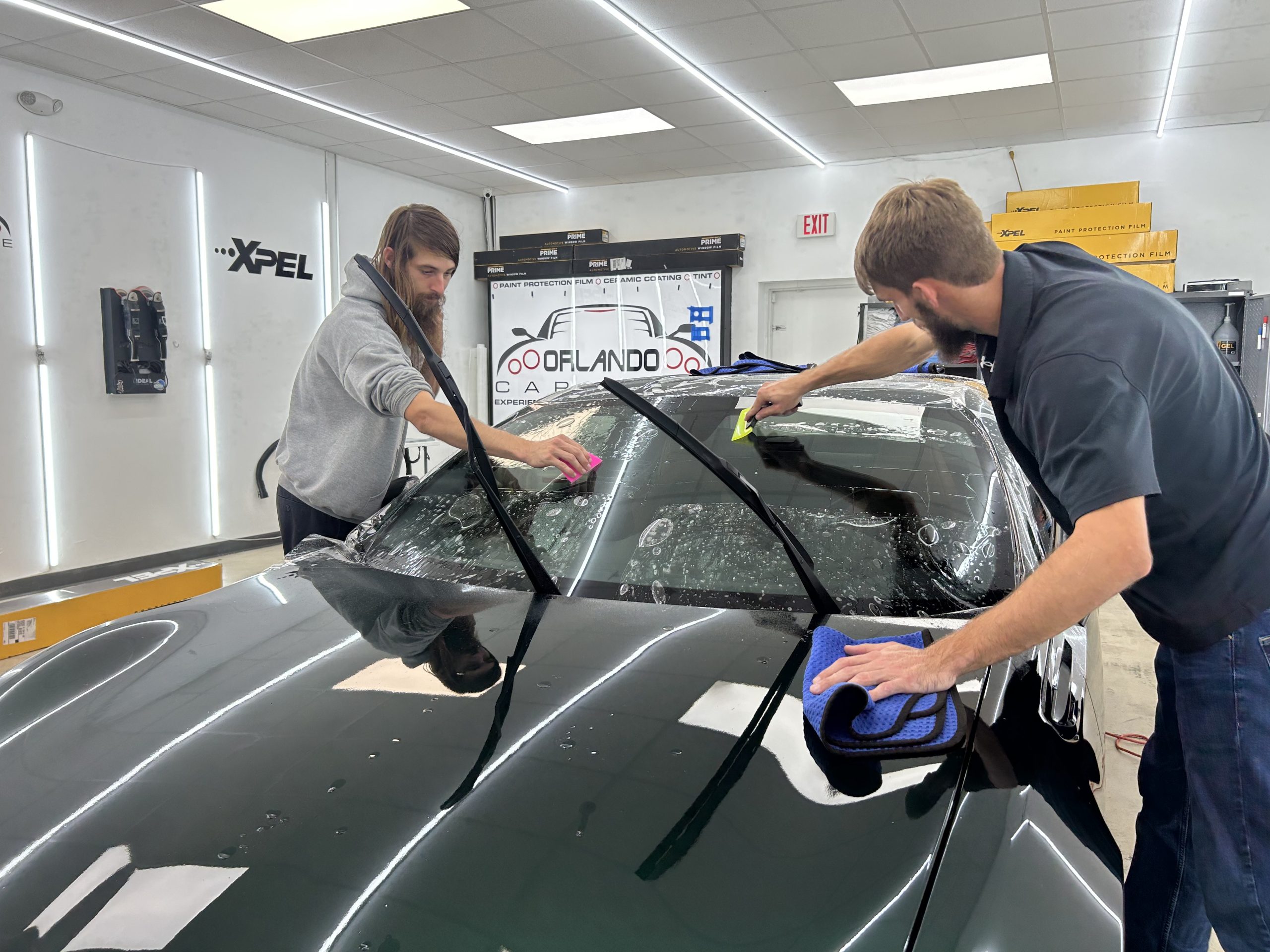
Paint protection film on high-impact panels makes sense when the vehicle sees highway miles. On black, film selection and installation technique are extra critical because contamination under the film stands out. Edges should be tight and the film maintained with compatible sealants or coatings. If you maintain film, treat it gently; it can still scratch, and it cannot be compounded like paint.
Local conditions matter
Santa Barbara County’s microclimates shape maintenance schedules. Coastal fog leaves mineral residue. Inland dust settles on cars overnight. Hard water varies by neighborhood. If you are doing Exterior detailing in Carpinteria, plan for heavier decon before correction. If the car lives under eucalyptus in Montecito, watch for oil and sap; they demand a targeted pre-clean before the normal wash. In Goleta, wind sweeps grit into panel gaps. A careful rinse that targets seams and badges reduces the chance of dragging grit into the correction stage.
Hugo's Auto Detailing has seen these patterns across Car detailing Carpinteria, Car detailing Montecito, Car detailing Goleta, Car detailing Hope Ranch, and Car detailing Summerland requests. The team keeps separate mitts and towels for coastal cars versus inland to avoid cross-contamination. It sounds obsessive, but on black paint that attention shows.
The small habits that separate a gloss from a glow
There are a handful of details that consistently improve results on black cars.
- Warm the panel slightly with safe lighting or ambient heat for finishing, but avoid hot hoods and direct sun. Tape delicate edges and textured plastics, and refresh tape during long corrections to prevent lifting and residue. Blow out crevices after polishing to eject spent abrasive dust that otherwise migrates onto your finishing pad. Clean pads often; a dedicated pad washer or frequent compressed air blasts keep the cut and finish predictable. Use a damp, then dry towel sequence for wipe-downs to reduce friction on the fresh finish.
When you stack these habits, the paint just looks calmer. The reflections sharpen and stop twinkling around bright points.
Boats, trucks, and cross-training without cross-contamination
Shops that offer both Car detailing service and Boat detailing service need to keep their workflows separate. Marine detailing uses more aggressive compounds and wool pads to cut oxidation in gelcoat. Those pads carry different residues and often larger particulate. If you bring a marine wool pad onto a black S-Class, holograms are guaranteed. Keep tools segregated. When you do Boat ceramic coating, cure environments differ. High humidity over water can extend flash times, while a hot asphalt driveway can accelerate them. The https://archerdpec505.huicopper.com/marine-detailing-maintenance-schedule-how-often-should-you-detail instincts you develop on boats help on cars in one way: patience with finishing. A good gelcoat finish requires slow, flat passes and clean pads. The same is true for a hologram-free black finish on a car.
When to stop, and the value of restraint
Detailers talk about chasing perfection. On black paint, perfection is a moving target. The right finish for a daily driver is durable clarity at a scratch depth that is safe for the long term. You can deliver a 90 to 95 percent improvement without chewing through the clear. Communicate the trade-offs. On a show car that sees garage light and trailers, you can take more time, use finer pads, and do extra refinement steps. On a work vehicle, you reduce stages, emphasize protection, and coach the owner on wash technique. Either way, the absence of holograms signals discipline.
At Hugo's Auto Detailing, the discipline shows in how the team structures days. They plan black cars on cooler days, stagger correction stages so pads and paint do not overheat, and avoid rushing the wipe-downs. They also photograph paint thickness readings and finishing light checks for the vehicle record. The record helps six months later when the car returns and they can pick up where they left off rather than reinvent the process.
Practical product and tool considerations without brand noise
A balanced dual-action polisher is the default for black cars because it reduces the risk of holograms. Keep at least three pad types ready: microfiber cutting, foam cutting/medium, and foam finishing. Have duplicates of each pad so you can rotate as they clog. Choose a compound that dusts minimally and a finishing polish with long working time. For towels, keep a stash of ultra-plush edgeless towels only for final wipe-down, and retire them as soon as they show any snag or contamination. For panel wipes, pick something mild, and let the paint cool before using it.
Water quality matters. If your tap is hard, especially prevalent in some Goleta zones, consider a deionized rinse for black cars. It reduces spotting during drying and shrinks the margin for error when the weather turns hot.
Common mistakes that create holograms
The worst offenders repeat across shops and driveways. Working a rotary at high speed with a twisted wool pad on soft clear, then calling it done. Polishing in direct sun where product flashes immediately and the pad chatters. Wiping polish residue with a shop towel that has already touched a dirty wheel. Overloading a finishing pad until it hydroplanes and smears oils rather than refining. Using the compound as a crutch to fix what better prep would have prevented. All of these burn time and thin clear without improving the finish.
A small but overlooked issue is cross-contamination from interior chemicals. Dressings and silicone overspray can land on paint during Interior detailing. They smear under a finishing pad and create trails that look like holograms. Mask carefully and keep the finishing environment simple: clean paint, clean pad, consistent motion, and controlled temperature.
The payoff of a careful process
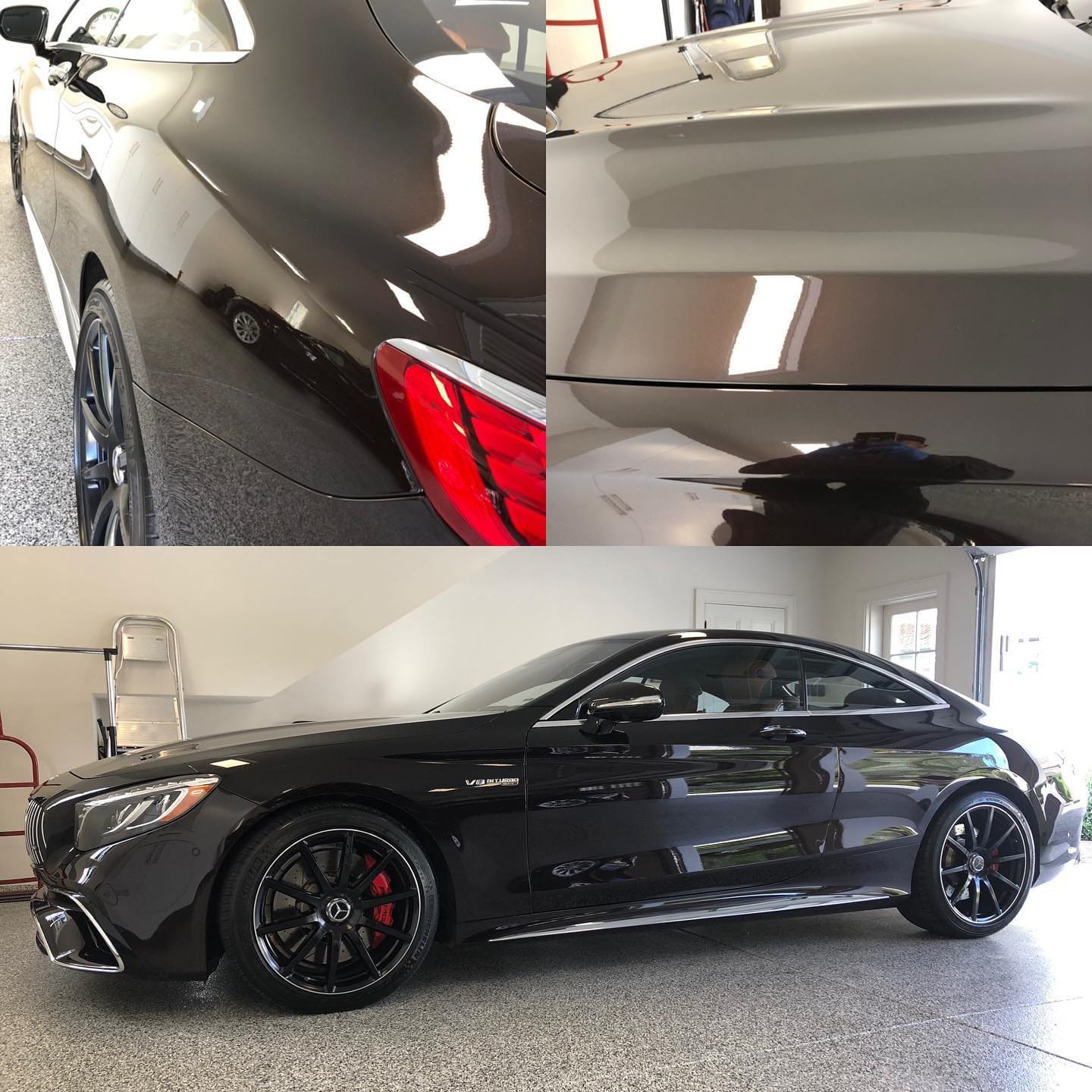
When a black car leaves a bay without swirls or holograms, you see the richness of the color. The reflections sit flat and deep. Even under a harsh LED, there is nothing to catch the eye except straight lines and natural highlights. That is what owners notice, even if they cannot name it. It is not an accident. It comes from a sequence where every contact with the paint is justified and as gentle as possible.
Exterior detailing is a wide field, and black cars are a sharp test of skill. Keep the wash gentle, the inspection honest, the correction measured, and the finishing patient. Whether the job is part of a Car detailing service for a daily driver in Hope Ranch or a selective Paint correction for a weekend toy in Montecito, the same rules hold. Respect the surface, keep your tools clean, and let the gloss emerge rather than forcing it.
Hugo's Auto Detailing works across cars and boats, from Marine detailing on dark hulls to careful refinement on black sedans. The common thread is restraint. Less pressure, more cleanliness, better lighting, and a process that leaves no room for accidental scratches. That is how you avoid swirls and holograms, and how black paint stays honest in the best possible way.